Grand feu enamel and cloisonné enamel in watchmaking
When buying a watch, we tend to pay attention to the movement and the watch's exterior, but not necessarily to the type of dial. Yet, it's one of the most difficult components to create in fine watchmaking. Here are the specifics of enameling:
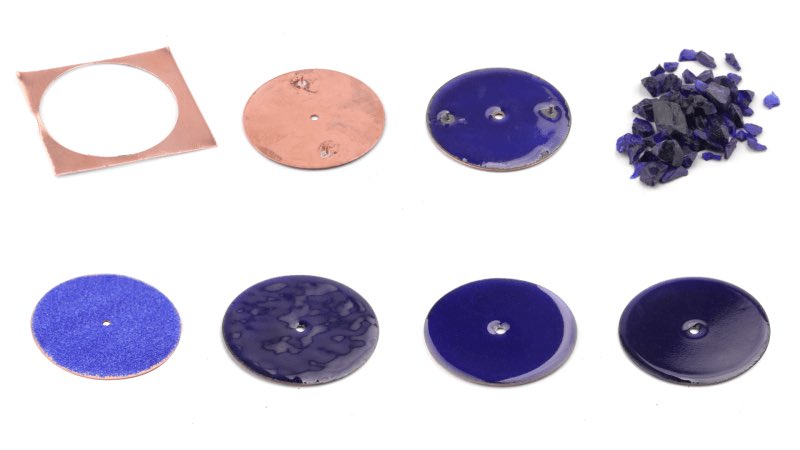
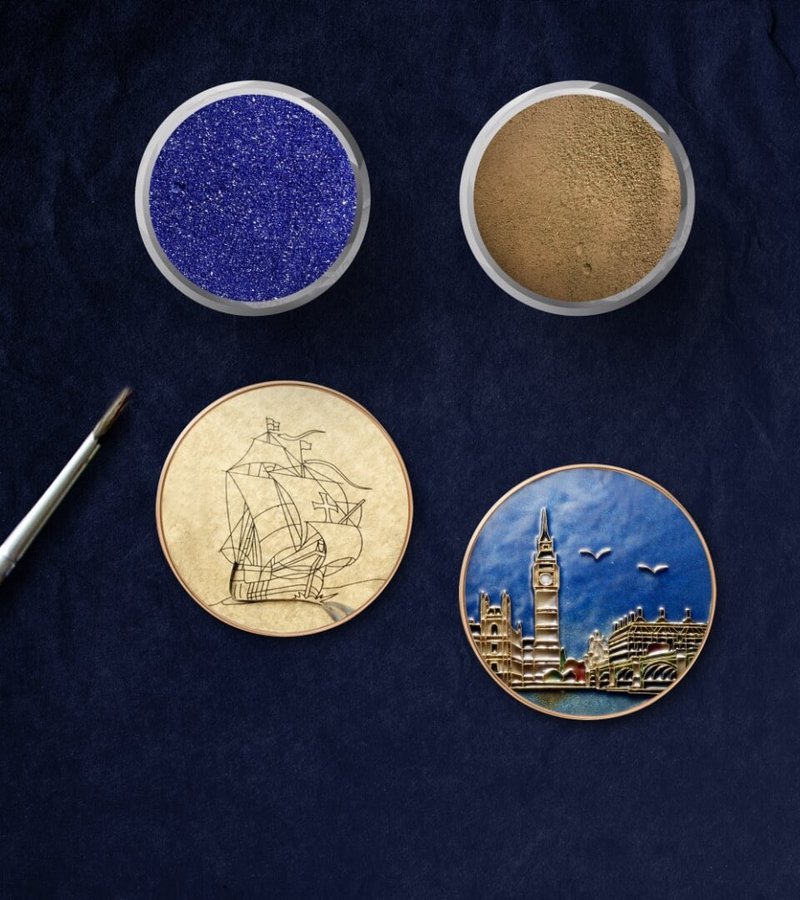
Enamel dials are created from a powder (enamel) applied to a metal plate. The powder is composed mainly of silica, which is found in sand. The mixture is melted using a flux that lowers the melting temperature.

Next, color is added using minerals and copper oxides. The hues then become blue/green, and the shine is enhanced.
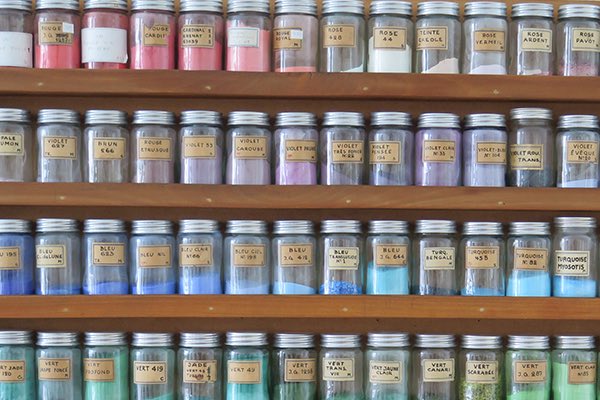
For each color, it is best to use:
- Yellow: selenium
- Orange: uranium
- Red: metallic gold
- Violet: manganese
- Pink or green: chrome
- Blue-green or red: copper, cobalt
- Black or brown: iron
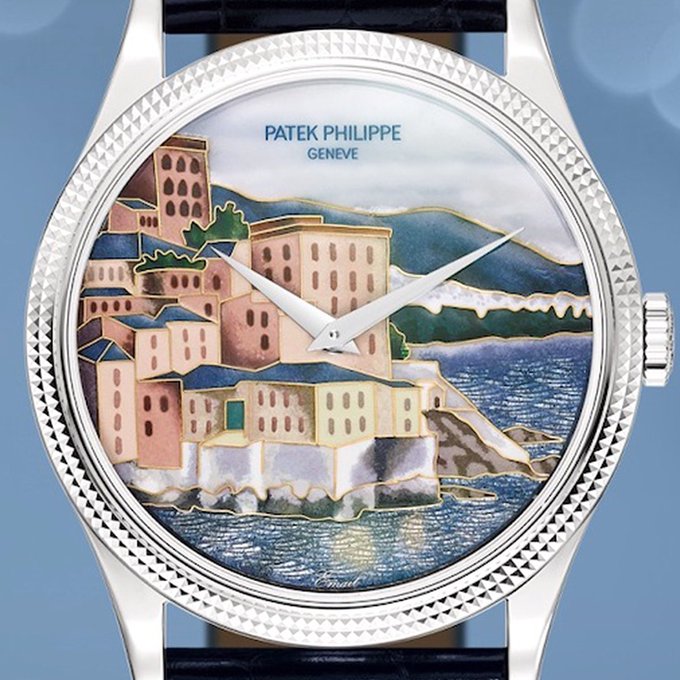
There are several types of enamel: "classic" enamel, cloisonné enamel, grand feu enamel, and champlevé enamel. Cloisonné enamel involves separating different sections of the dial using meticulously arranged gold wires. It takes 50 to 60 hours to create a dial.
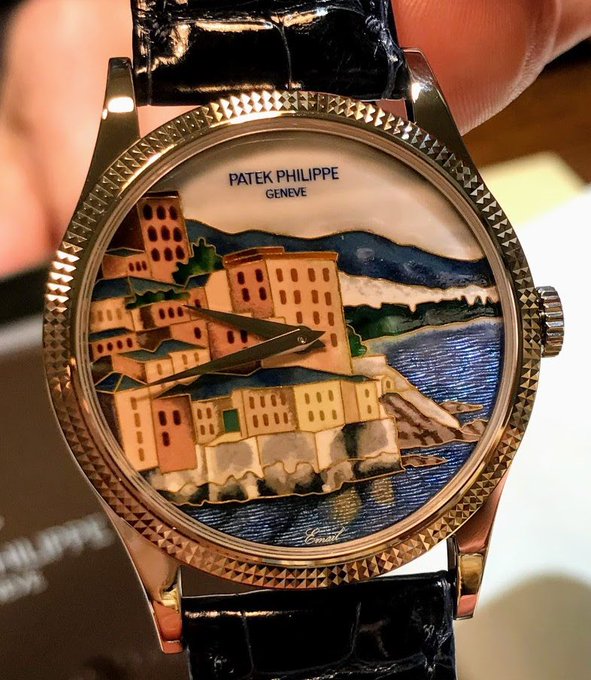
Here is an example on a Patek Philippe 5177G. The walls of the buildings, the side of the mountain in the background, and the rocks in the foreground are defined by gold threads.
Champlevé enamel, on the other hand, involves removing material from the dial and then filling the gaps with enamel powder or other materials. The Vulcain, which I've already featured here, is a very good example of cloisonné and champlevé enameling.
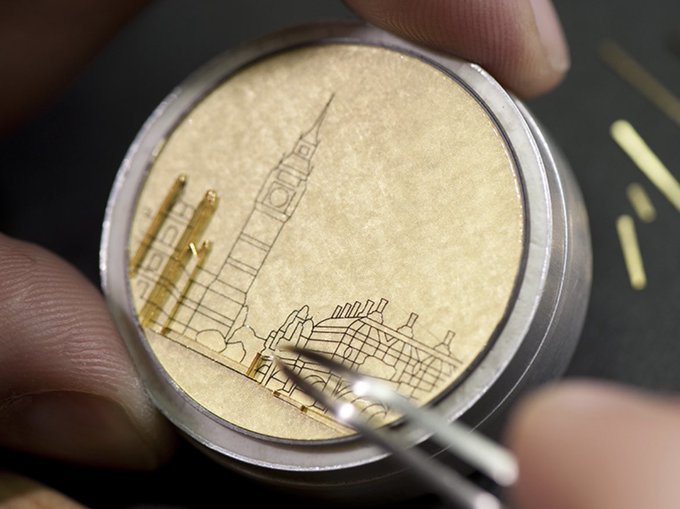
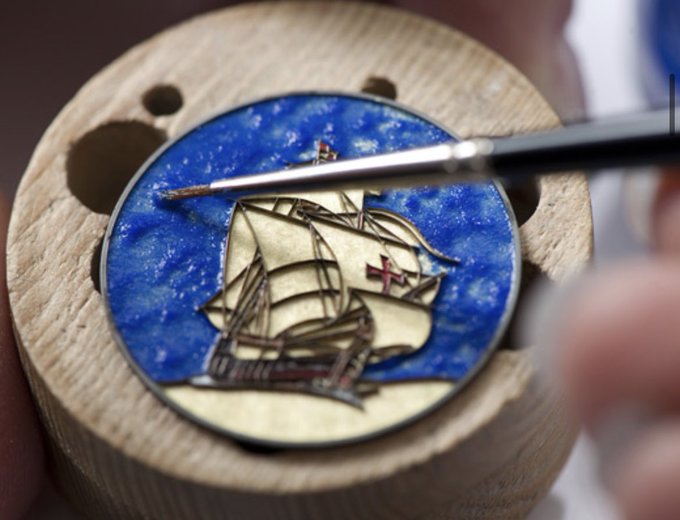
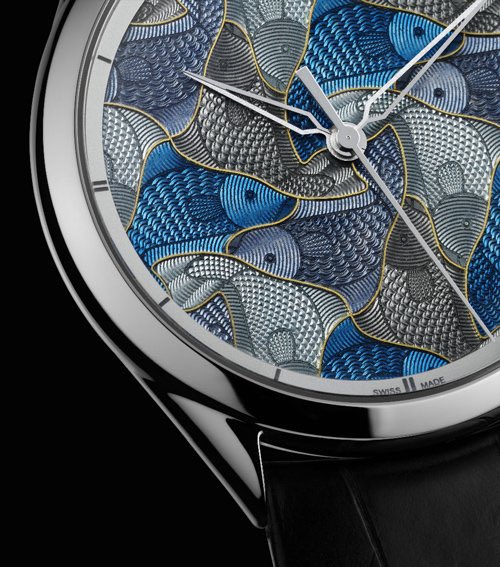
In addition to these two methods, there are variations such as flinqué enamel. Besides cloisonné enamel, some manufacturers draw patterns through sections separated by engraving or guilloché.
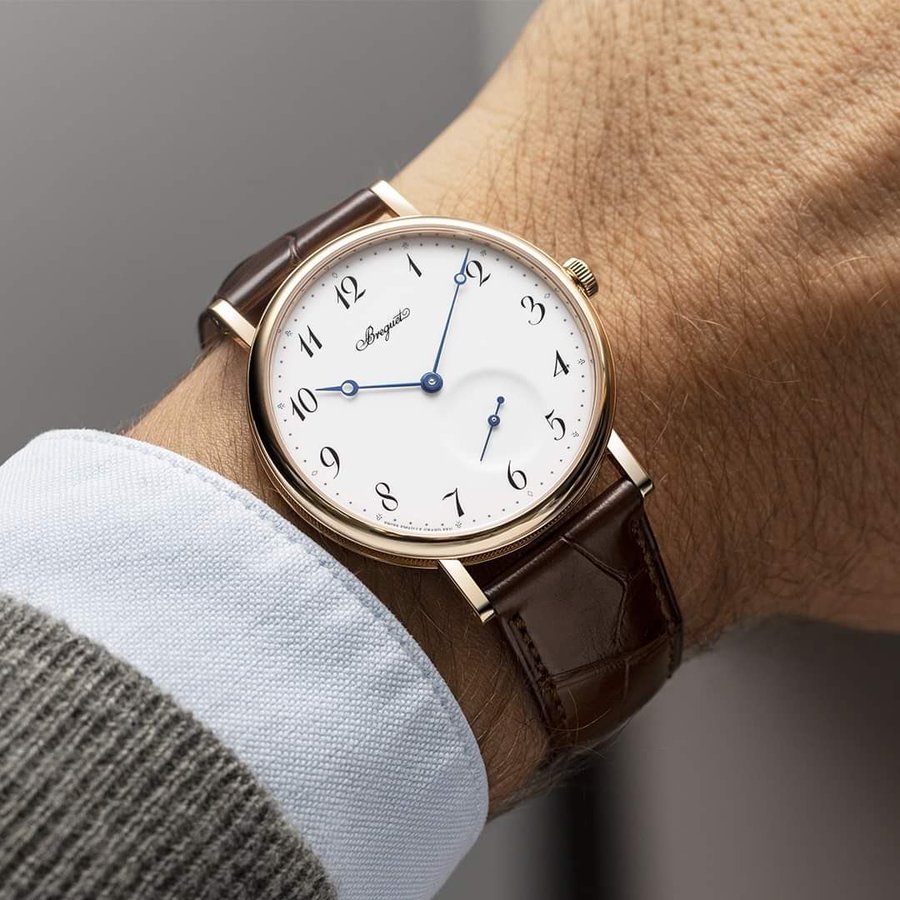
Grand feu enamel, on the other hand, is the most difficult enameling technique to master. It is reserved for artisans who are experts in their field. The method was developed in the 17th century and consists of firing white enamel, composed of arsenic, at very high temperatures.
Often white, cream, or opaque, the grand feu enamel dial requires extreme care to prevent cracking, as a cracked dial is impossible to repair. The price is directly affected, and grand feu enamel watches quickly become very expensive.
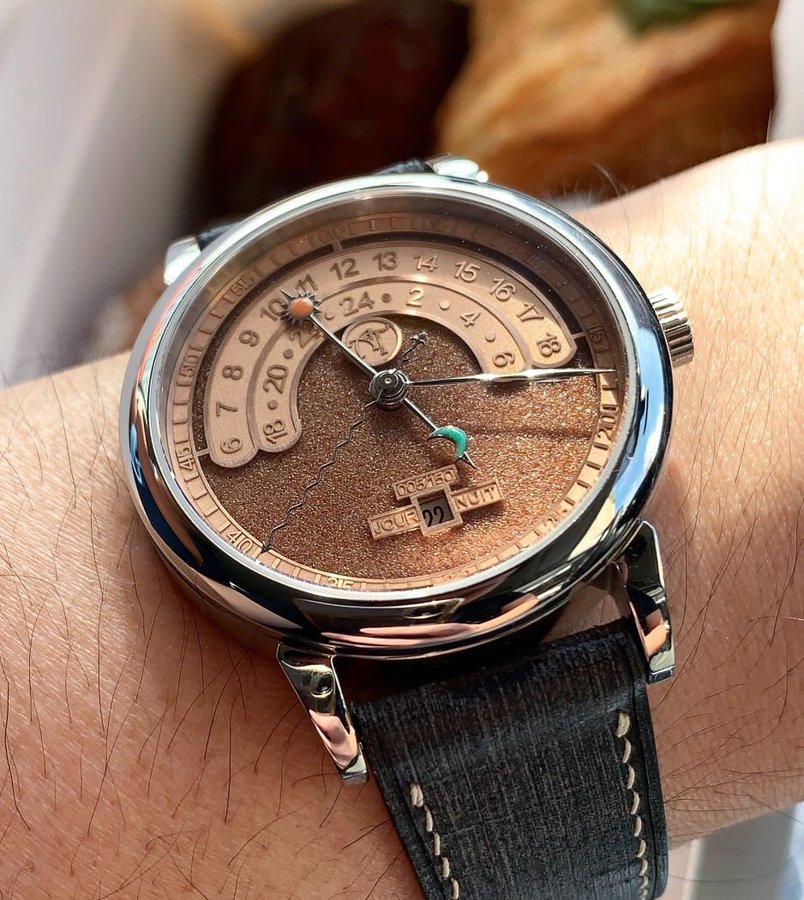
However, an independent brand offers watches with enamel dials at a very reasonable price (you know me by now, I like to highlight independent brands). It's the Antoine Tavan brand.
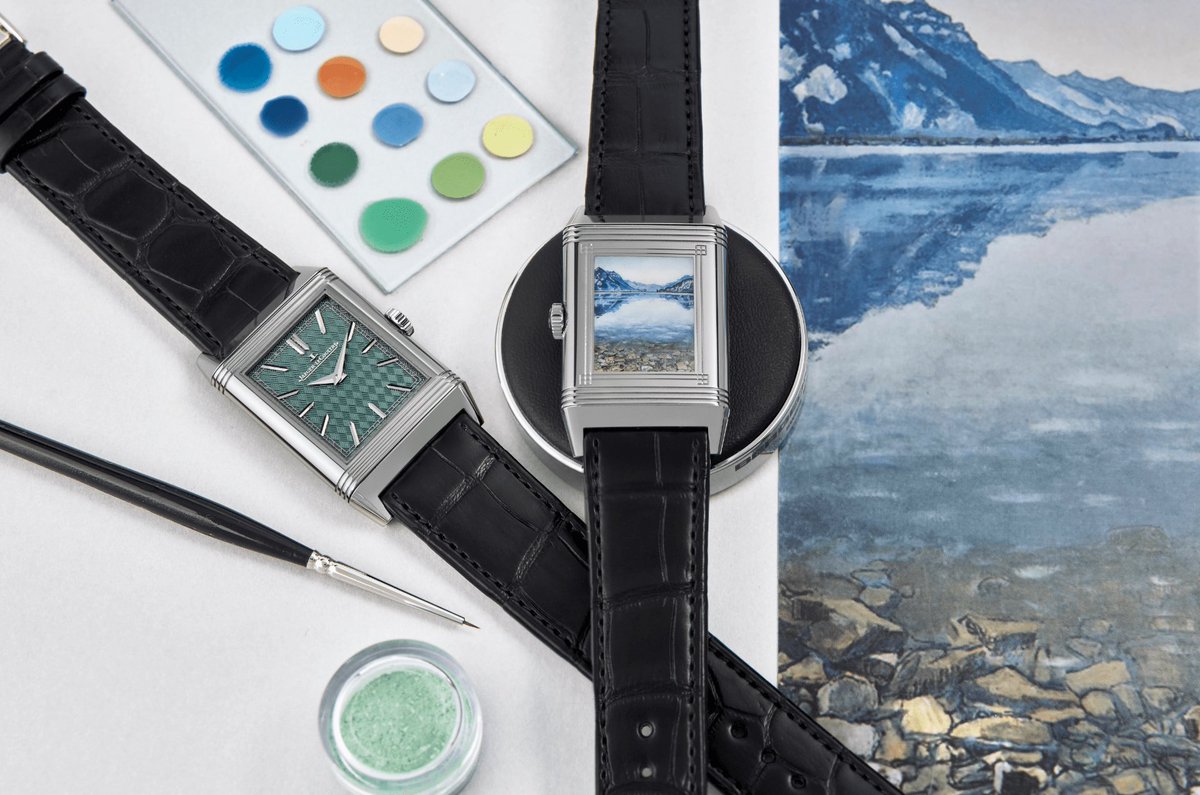
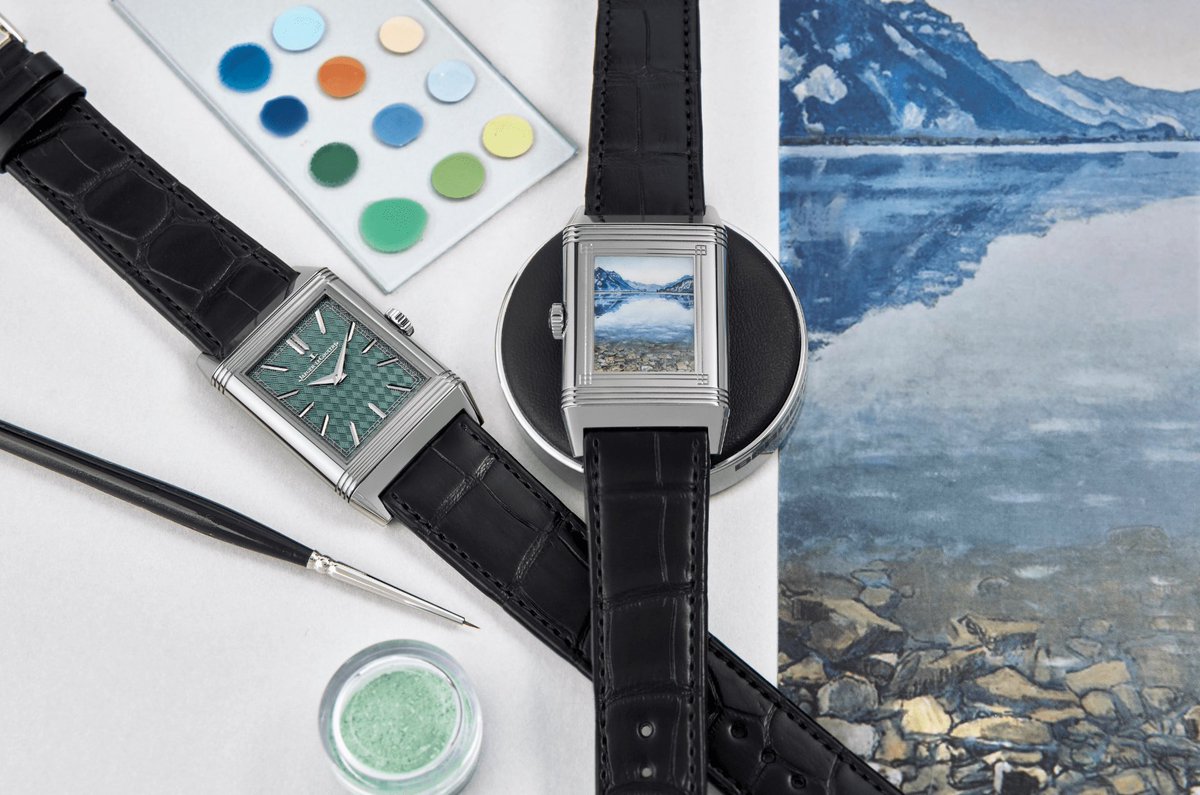
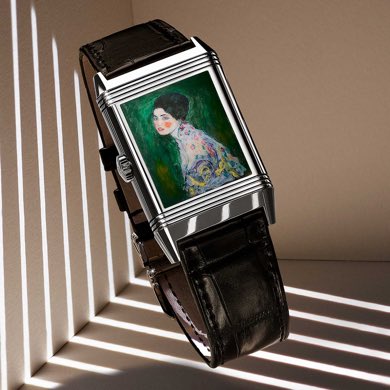
In homage to several famous painters, Jaeger-LeCoultre unveiled an "Enamel Tribute" collection featuring three exceptional watches. From the realism of Courbet to the post-impressionism of Van Gogh, each of the selected paintings has its own story:
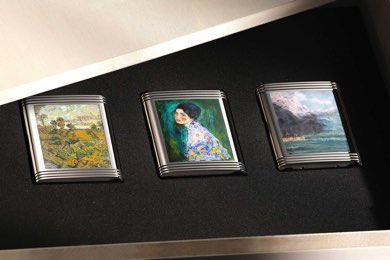
Portrait of a Lady, by Gustav Klimt. Painted a year before his death, it is Klimt's only double portrait. The painting has been presumed lost since 1912.
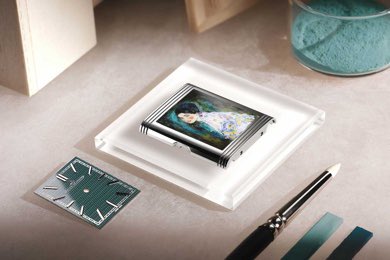
View of Lake Geneva, by Gustave Courbet. The painting depicts the famous Swiss lake overlooked by the Dents du Midi mountains. In 1995, an expert declared to the museum housing the canvas that it was a fake. In 2015, Bruno Mottet rediscovered and confirmed its authenticity.
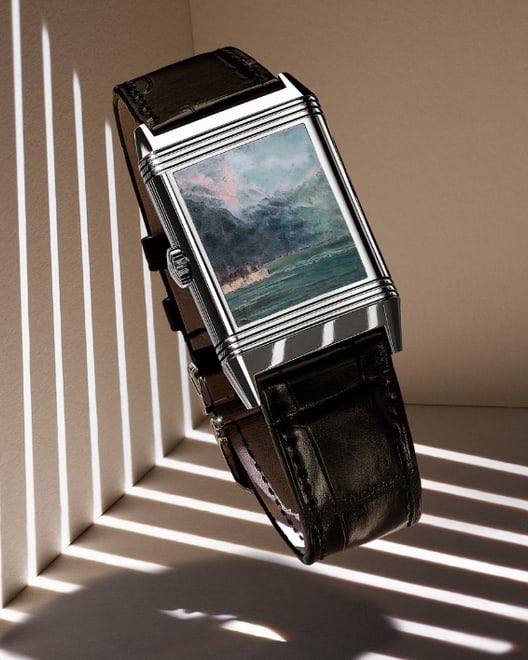
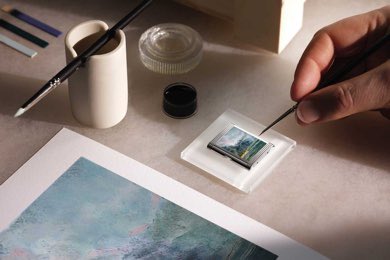
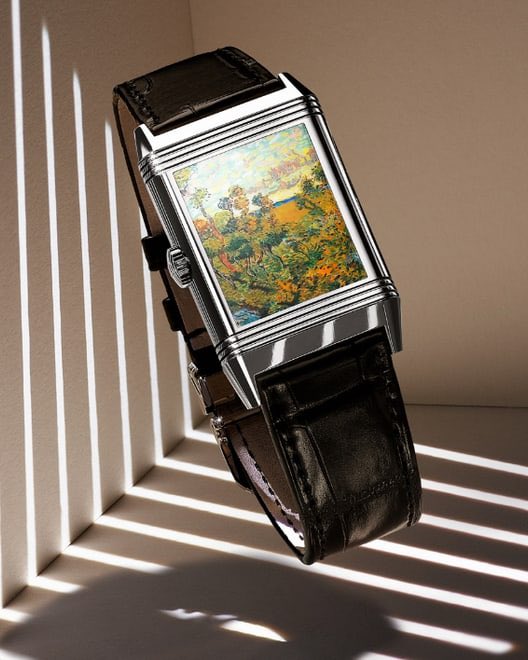
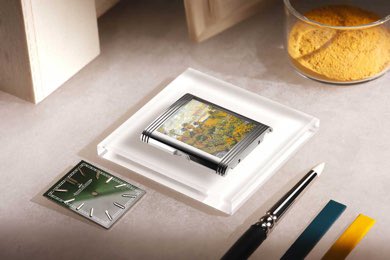
Sunset at Montmajour, by Vincent Van Gogh. Observing the view one summer evening, the painter captured this scene, imbuing it with all the symbolic colors of Provence. It too was declared a forgery several times before being examined one last time in 2013.


Leave a comment
This site is protected by hCaptcha and the hCaptcha Privacy Policy and Terms of Service apply.